
The Complete Guide to Vacuum Reflow Ovens
2023-08-14
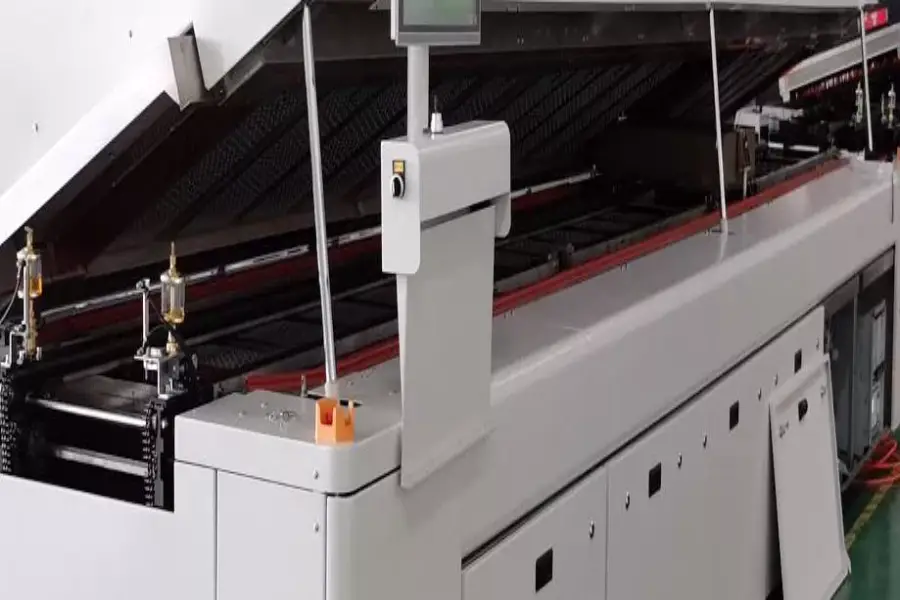
In the realm of advanced manufacturing processes, vacuum reflow ovens stand out as a technological marvel, offering precise and controlled soldering solutions for modern electronics assembly. This comprehensive guide aims to elucidate the intricacies of vacuum reflow ovens, highlighting their benefits, and providing essential factors to consider when selecting the optimal system for your manufacturing needs.
What is a Vacuum Reflow Oven?
A vacuum reflow oven is a specialized piece of equipment designed to facilitate soldering in a controlled environment with reduced atmospheric pressure. Unlike traditional reflow soldering, which occurs under normal atmospheric conditions, vacuum reflow ovens create an environment characterized by lower pressures, allowing for more precise control of the soldering process. This controlled environment mitigates the formation of voids and promotes better wetting, resulting in higher quality solder joints.
The Benefits of Using a Vacuum/Pressure Reflow Oven
Today, most high-production soldering of electronic components is performed with belt furnaces. Belt furnaces typically have a length of more than 20 feet. For some of these high volume production processes, 200 ppm oxygen is required, a nitrogen flush is required (to attain such a low ppm oxygen level) and the oven must remain heated at all times through constant “power on”. When compared to vacuum reflow ovens, this process significantly increases operating costs. Additionally, belt furnaces are known to produce significant amounts of voids within the solder joint, which decreases the long-term reliability of electronic components.
A vacuum reflow oven, on the other hand, has been demonstrated to significantly reduce void levels for all types of electronic components, typically up to 5%. This is a significant reduction in void levels. Unlike a batch process system, a vacuum reflow oven only operates when required. This reduces cost of operation because there is no constant heating and nitrogen gas flow. The most important aspect of Hvttec vacuum reflow ovens is that they produce near-void-free components for a wide variety of electronic applications by utilizing vacuum, pressure, temperature, and force to collapse voids. As opposed to conventional belt furnaces, reflow reduces void levels by applying uniform weights (force) to parts during the process. Furthermore, HVTTEC vacuum reflow ovens have a smaller footprint than belt furnaces.
Like belt furnaces, Hvttec vacuum reflow ovens can process sintered materials and brazed components, but they also offer a variety of options for soldering electronic components for a wide range of applications. Among these applications are die attachment, lid sealing, gyroscopes, MEMS packages, IR sensors, and printed circuit boards. During the reflow process, Hvttec vacuum reflow oven systems distribute heat uniformly through radiant and resistive methods. These methods ensure that all material components are heated uniformly from all sides.
In order to ensure proper wetting of mating surfaces, HVTtec vacuum reflow systems can be equipped with a delivery system for formic acid and/or a flux trap. The reduction of surface oxides with formic acid in electronic component parts increases the long-term reliability of solder joints. In our oven systems, the above processes have been proven to reduce void levels in all types of products sealed and/or processed.
Belt furnaces and vacuum reflow ovens differ in the reliability of the packaged parts and the low cost of ownership (which includes the initial investment as well as operating and maintenance costs).
The goal of Hvttec is to provide you with a complete solution to your process challenges. In addition to mechanical design, metallurgy, materials science, thermodynamics and high vacuum technology, Hvttec's Process Development Team is also well versed in high vacuum technology.
5 Factors to Consider When Choosing Your Vacuum Reflow Oven
- Vacuum Level Control: Different applications require varying levels of vacuum. Ensure the chosen oven offers adjustable vacuum levels to accommodate the specific needs of your assemblies.
- Temperature Uniformity: Consistent temperature distribution across the assembly is vital for uniform soldering. Look for ovens with advanced heating technology and uniformity monitoring systems.
- Pressure Control and Monitoring: The ability to precisely control and monitor the pressure inside the oven is essential for achieving the desired soldering outcomes. Select an oven with accurate pressure control mechanisms and real-time monitoring.
- Process Flexibility: Opt for an oven that allows for flexible programming of temperature profiles, ramp rates, and vacuum settings. This flexibility accommodates a wide range of soldering requirements.
- Maintenance and Support: Consider the availability of technical support, maintenance services, and access to replacement parts. A reliable support system ensures minimal downtime and efficient troubleshooting.
Conclusion
In the ever-evolving landscape of electronics manufacturing, vacuum reflow ovens have emerged as a cornerstone technology for achieving high-quality, reliable solder joints. Their ability to create controlled environments with reduced pressure leads to superior soldering results, making them indispensable for industries demanding impeccable electronic assemblies. By considering factors such as vacuum level control, temperature uniformity, pressure management, process flexibility, and support options, manufacturers can confidently select the ideal vacuum reflow oven to elevate their soldering processes to new heights of excellence.
If you are seeking to procure vacuum reflow ovens in large quantities, maintaining quality as a paramount criterion, Hvttec presents the ideal solution. Boasting a 16 years of expertise in smart equipment systems and cutting-edge supplies for advanced manufacturing systems, you can be confident in acquiring top-tier reflow ovens tailored to your manufacturing endeavors. Reach out to us at your earliest convenience for your vacuum reflow oven requirements, and we take great pride in providing you with superior-grade machinery.
Advantages and Disadvantages of Nitrogen Convection Reflow Soldering
Top 5 Reasons to Use a Vacuum Reflow Oven and Vacuum Soldering Machine
Related Article

Explore laser packaging process routes for LiDAR and optoelectronics. Discover how vacuum eutectic soldering secures sub-micron alignment stability.
Laser Diode Packaging Technologies: From TO-Can to Silicon Photonics

Compare inline vs. batch vacuum soldering systems. Learn how vacuum reflow ovens optimize void-free welding for high-power semiconductor packaging.
Vacuum Soldering Process & Equipment Comparison: How to Achieve Automotive-Grade Low-Void Manufacturing

