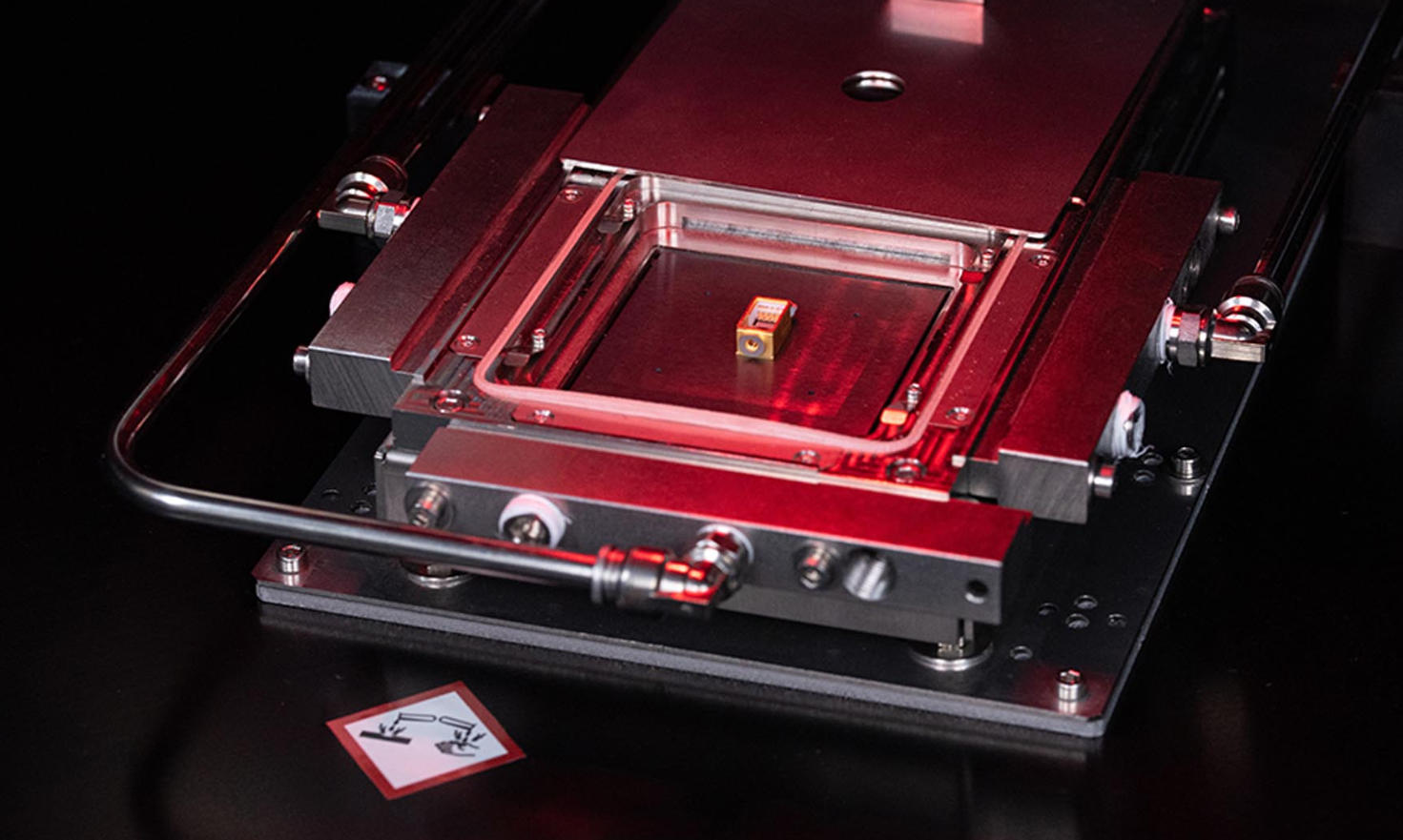
What Is the Best Desktop Reflow Oven for PCB Assembly?
author: Shirley Xie
2025-04-27
In the fast-paced world of electronics manufacturing, PCB assembly is a critical process that ensures surface-mount device (SMD) components are securely attached to printed circuit boards (PCBs). Reflow soldering, a standard technique in PCB assembly, has traditionally been performed in large-scale factories. However, advancements in technology have brought this process to smaller scales with desktop reflow ovens, empowering businesses and engineers to handle PCB assembly in-house. These compact units are perfect for prototyping, small-batch production, and research in PCB assembly. But with so many options available, how do you choose the right desktop reflow oven for your PCB assembly needs? This guide explores key considerations, the mechanics of these ovens, and highlights innovative solutions like the for enhancing PCB assembly workflows.

Why Should You Invest in a Desktop Reflow Oven for PCB Assembly?
Desktop reflow ovens bring the precision and efficiency of industrial reflow soldering to smaller-scale PCB assembly operations. For businesses engaged in PCB assembly—whether for prototyping or small-batch production—these ovens offer a cost-effective alternative to outsourcing. By handling PCB assembly in-house, you reduce turnaround times and maintain greater control over the process. Compared to manual soldering or hot-air methods, desktop reflow ovens automate the soldering process, enabling you to produce a batch of finished PCBs in a single day. This efficiency is particularly valuable in PCB assembly, where consistency and quality are non-negotiable.
Moreover, desktop reflow ovens like the provide advanced features tailored for PCB assembly, such as precise temperature control and vacuum environments, which minimize defects and enhance reliability. However, selecting the right oven requires careful evaluation of several factors, as quality often correlates with price in PCB assembly equipment.
What Are the Key Factors to Consider When Choosing a Desktop Reflow Oven for PCB Assembly?
1. Size and Capacity
The size and capacity of a desktop reflow oven are foundational to its suitability for PCB assembly. Start by assessing the dimensions of your largest PCBs and your expected production volume in PCB assembly. Choose an oven that can accommodate your biggest boards while fitting comfortably on your workbench. For instance, the is designed with a spacious chamber, making it ideal for various PCB assembly projects. Additionally, consider how many PCBs you need to process per cycle to meet your PCB assembly demands efficiently.
The size and capacity of a desktop reflow oven are foundational to its suitability for PCB assembly. Start by assessing the dimensions of your largest PCBs and your expected production volume in PCB assembly. Choose an oven that can accommodate your biggest boards while fitting comfortably on your workbench. For instance, the is designed with a spacious chamber, making it ideal for various PCB assembly projects. Additionally, consider how many PCBs you need to process per cycle to meet your PCB assembly demands efficiently.
2. Temperature Control and Uniformity
In PCB assembly, temperature control and uniformity directly impact soldering quality. Uneven heating can lead to defective solder joints, compromising the reliability of your PCB assembly. Opt for an oven with precise temperature regulation and consistent heat distribution across the chamber. The , for example, excels in this area, offering advanced temperature control to ensure flawless results in PCB assembly.
In PCB assembly, temperature control and uniformity directly impact soldering quality. Uneven heating can lead to defective solder joints, compromising the reliability of your PCB assembly. Opt for an oven with precise temperature regulation and consistent heat distribution across the chamber. The , for example, excels in this area, offering advanced temperature control to ensure flawless results in PCB assembly.
3. Heating Technology
Desktop reflow ovens typically use either convection or infrared (IR) heating for PCB assembly. Convection ovens circulate hot air to evenly heat PCBs, making them suitable for complex PCB assembly tasks. IR ovens, conversely, use infrared radiation for rapid heating, which may be preferable for specific PCB assembly applications. Evaluate your PCB assembly requirements to decide which heating method aligns best with your goals.
Desktop reflow ovens typically use either convection or infrared (IR) heating for PCB assembly. Convection ovens circulate hot air to evenly heat PCBs, making them suitable for complex PCB assembly tasks. IR ovens, conversely, use infrared radiation for rapid heating, which may be preferable for specific PCB assembly applications. Evaluate your PCB assembly requirements to decide which heating method aligns best with your goals.
4. Ease of Use and Programmability
A user-friendly interface is essential for efficient PCB assembly. Choose an oven with intuitive controls, a clear display, and pre-programmed reflow profiles for common solder pastes used in PCB assembly. Customizable programming options are also valuable, allowing you to adapt profiles to unique PCB assembly parameters. This flexibility ensures your oven can handle diverse PCB assembly projects with ease.
A user-friendly interface is essential for efficient PCB assembly. Choose an oven with intuitive controls, a clear display, and pre-programmed reflow profiles for common solder pastes used in PCB assembly. Customizable programming options are also valuable, allowing you to adapt profiles to unique PCB assembly parameters. This flexibility ensures your oven can handle diverse PCB assembly projects with ease.
5. Safety Features
Safety is a top priority in PCB assembly environments. Select a desktop reflow oven with built-in safety features, such as overheat protection, automatic shut-off, and robust insulation, to protect operators and prevent accidents during PCB assembly. These features are standard in high-quality models, ensuring safe and reliable operation in PCB assembly workflows.
Safety is a top priority in PCB assembly environments. Select a desktop reflow oven with built-in safety features, such as overheat protection, automatic shut-off, and robust insulation, to protect operators and prevent accidents during PCB assembly. These features are standard in high-quality models, ensuring safe and reliable operation in PCB assembly workflows.
6. Reliability and Durability
For PCB assembly, reliability is key. Invest in an oven from a reputable manufacturer known for producing durable equipment. A well-constructed oven with high-quality components will withstand frequent use and deliver consistent performance in PCB assembly over time, making it a smart long-term investment.
For PCB assembly, reliability is key. Invest in an oven from a reputable manufacturer known for producing durable equipment. A well-constructed oven with high-quality components will withstand frequent use and deliver consistent performance in PCB assembly over time, making it a smart long-term investment.
7. Price and Value
While budget considerations are important in PCB assembly, don’t compromise on quality. Compare features, customer reviews, and pricing to find an oven that offers the best value for your PCB assembly needs. A higher initial investment in a reliable model can lead to significant savings by reducing defects and downtime in PCB assembly.
While budget considerations are important in PCB assembly, don’t compromise on quality. Compare features, customer reviews, and pricing to find an oven that offers the best value for your PCB assembly needs. A higher initial investment in a reliable model can lead to significant savings by reducing defects and downtime in PCB assembly.
How Do Desktop Reflow Ovens Operate in PCB Assembly?
Desktop reflow ovens are engineered to execute precise reflow soldering profiles for small-batch PCB assembly. The process begins by placing a PCB with applied solder paste and components into the oven’s chamber. Operators then initiate a reflow profile—consisting of preheating, soaking, reflow, and cooling stages—using the oven’s control panel. This controlled heating ensures strong, reliable solder joints in PCB assembly. Once the cycle is complete, the finished boards are ready for testing, though cleaning may be necessary to remove flux residues.
The capabilities of desktop reflow ovens vary widely, influencing their suitability for PCB assembly. Key features to look for include:
-
Memory Storage: Store multiple reflow profiles for quick access in PCB assembly.
-
Lead-Free Solder Compatibility: Ensure the oven supports lead-free solder, a standard in modern PCB assembly.
-
Customization: Adjust the duration and temperature of reflow stages for tailored PCB assembly processes.
-
Heating Method: Choose between forced-air convection or static heating elements for PCB assembly.
-
Software Integration: Some ovens offer software for configuring profiles, enhancing PCB assembly efficiency.
-
Manufacturer Support: Reliable warranties and technical support are crucial for PCB assembly equipment.
Quality is a critical factor in PCB assembly. High-quality ovens maintain minimal temperature variation and adhere closely to the specified reflow profile, which can be verified using a thermocouple probe. This precision ensures consistent, defect-free results in PCB assembly.
What Advantages Do Vacuum Reflow Ovens Offer for PCB Assembly?
Vacuum reflow ovens offer distinct advantages for PCB assembly, particularly in applications requiring high reliability, such as semiconductor device packaging. By operating in a low-pressure or vacuum environment, these ovens reduce oxidation, eliminate voids in solder joints, and enhance overall quality in PCB assembly. The is a prime example, designed to deliver superior performance in PCB assembly with its advanced vacuum technology and precise temperature control.
These ovens are particularly beneficial for PCB assembly in industries like aerospace, medical devices, and automotive electronics, where reliability is critical. Their ability to create pristine soldering conditions makes them a valuable asset for any PCB assembly operation aiming for excellence.
What Are the Key Takeaways for Optimizing PCB Assembly with a Desktop Reflow Oven?
Choosing the right desktop reflow oven is a pivotal decision for optimizing PCB assembly workflows. By focusing on factors like size, temperature control, heating technology, ease of use, safety, reliability, and value, you can select an oven that meets your PCB assembly needs. Vacuum reflow ovens, such as the , offer advanced features that elevate PCB assembly quality, making them ideal for high-precision applications. With the right equipment, you can streamline your PCB assembly process, achieve consistent results, and drive innovation in your electronics manufacturing projects.
How Vacuum Reflow Technology Transforms Semiconductor Packaging
What Is The Difference Between Infrared And Convection Reflow Oven?
Related Article

Learn how to choose a reliable vacuum reflow soldering factory, including lab support, customization, quality control, and global service.
How to Choose the Right Vacuum Reflow Soldering Partner

Explore advanced vacuum soldering solutions for IGBT modules in EVs and renewables, improving thermal performance, yield, and reliability.
Advanced Vacuum Soldering Solutions for Next-Gen IGBT Module Manufacturing