
What is the difference between a forced draft oven and a vacuum oven?
author: Shirley XIe
2024-11-14
When it comes to soldering, curing, or other industrial thermal processes, the choice of oven can significantly impact the quality of the final product. Two common types of ovens used in manufacturing processes are the forced draft oven and the vacuum reflow oven. While both serve similar purposes in terms of providing controlled heat, they operate under different conditions and are designed for distinct applications. In this article, we will explore the differences between these two types of ovens, focusing particularly on the vacuum reflow oven, and how these differences affect their performance in various industries.
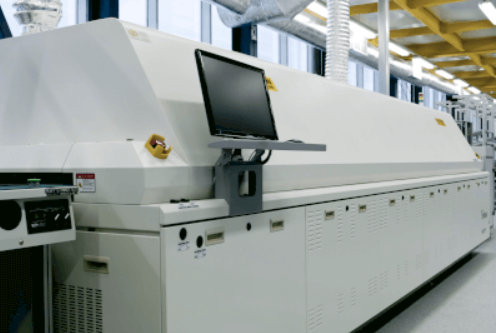
What is a Forced Draft Oven?
A forced draft oven is a type of oven that uses a fan to circulate heated air within the chamber. This forced airflow ensures that the temperature is uniform throughout the oven, making it ideal for applications that require consistent heating, such as drying, curing, and pre-heating processes.
Key Features of Forced Draft Ovens:
· Air Circulation: The fan system circulates hot air to maintain a consistent temperature.
· Uniform Heating: The airflow ensures even heat distribution throughout the chamber, making it effective for bulk heating.
· General Applications: Commonly used for applications like curing coatings, drying components, or soldering in large-scale production runs.
· Uniform Heating: The airflow ensures even heat distribution throughout the chamber, making it effective for bulk heating.
· General Applications: Commonly used for applications like curing coatings, drying components, or soldering in large-scale production runs.
What is a Vacuum Reflow Oven?
A vacuum reflow oven, on the other hand, operates under a vacuum environment, where the air pressure inside the chamber is significantly reduced. This allows for more precise control of temperature and atmosphere, which is especially crucial in the semiconductor and electronics industries. In particular, vacuum reflow ovens are designed to optimize the soldering process for sensitive components by reducing oxidation and other atmospheric contaminants that could impact the quality of the solder joint.
Key Features of Vacuum Reflow Ovens:
· Vacuum Environment: The oven operates under reduced pressure, which allows for more precise control of the thermal profile.
· Controlled Atmosphere: The lack of oxygen in the chamber prevents oxidation of the components, making it ideal for high-precision soldering.
· Smaller Lot Sizes: Vacuum reflow ovens are often used for small, high-value components such as those in semiconductor packaging, where precision is crucial.
· Controlled Atmosphere: The lack of oxygen in the chamber prevents oxidation of the components, making it ideal for high-precision soldering.
· Smaller Lot Sizes: Vacuum reflow ovens are often used for small, high-value components such as those in semiconductor packaging, where precision is crucial.
Key Differences Between Forced Draft and Vacuum Reflow Ovens
While both forced draft and vacuum reflow ovens are used for thermal processes, the fundamental differences lie in their operational environments, the control they offer, and the applications they serve.
1. Temperature Control and Precision
· Forced Draft Oven: The forced circulation of air ensures a consistent temperature throughout the oven, but it may not offer the same level of precision as a vacuum reflow oven. Forced draft ovens are typically used in applications where temperature uniformity is more important than precise temperature control.
· Vacuum Reflow Oven: The vacuum environment in these ovens allows for more accurate temperature control and a more uniform heat distribution at the microscopic level. This is crucial for applications like semiconductor packaging and advanced electronics manufacturing, where even minor temperature fluctuations can cause defects.
· Forced Draft Oven: The forced circulation of air ensures a consistent temperature throughout the oven, but it may not offer the same level of precision as a vacuum reflow oven. Forced draft ovens are typically used in applications where temperature uniformity is more important than precise temperature control.
· Vacuum Reflow Oven: The vacuum environment in these ovens allows for more accurate temperature control and a more uniform heat distribution at the microscopic level. This is crucial for applications like semiconductor packaging and advanced electronics manufacturing, where even minor temperature fluctuations can cause defects.
2. Atmospheric Control
· Forced Draft Oven: Airflow is the primary means of controlling heat in a forced draft oven, but the atmosphere inside the oven is not controlled beyond that. This can lead to issues like oxidation, which is undesirable for certain applications.
· Vacuum Reflow Oven: The key advantage of a vacuum reflow oven is its ability to control the atmosphere inside the oven. By operating under a vacuum, it reduces the risk of oxidation, contamination, and other atmospheric factors that can compromise the quality of solder joints or semiconductor components.
· Forced Draft Oven: Airflow is the primary means of controlling heat in a forced draft oven, but the atmosphere inside the oven is not controlled beyond that. This can lead to issues like oxidation, which is undesirable for certain applications.
· Vacuum Reflow Oven: The key advantage of a vacuum reflow oven is its ability to control the atmosphere inside the oven. By operating under a vacuum, it reduces the risk of oxidation, contamination, and other atmospheric factors that can compromise the quality of solder joints or semiconductor components.
3. Applications
· Forced Draft Oven: Forced draft ovens are widely used in industries that need bulk processing of materials, such as automotive, aerospace, and general manufacturing. They are ideal for curing paints, drying substrates, and pre-heating components before soldering or assembly.
· Vacuum Reflow Oven: Vacuum reflow ovens are specialized for applications in the electronics and semiconductor industries, where precision is key. They are particularly effective in soldering sensitive components such as printed circuit boards (PCBs), semiconductor devices, and power electronics.
· Forced Draft Oven: Forced draft ovens are widely used in industries that need bulk processing of materials, such as automotive, aerospace, and general manufacturing. They are ideal for curing paints, drying substrates, and pre-heating components before soldering or assembly.
· Vacuum Reflow Oven: Vacuum reflow ovens are specialized for applications in the electronics and semiconductor industries, where precision is key. They are particularly effective in soldering sensitive components such as printed circuit boards (PCBs), semiconductor devices, and power electronics.
4. Efficiency and Speed
· Forced Draft Oven: Due to the nature of the heated air circulation, forced draft ovens tend to be less energy-efficient compared to vacuum reflow ovens. The air circulation requires more energy to maintain, and the heating process can take longer.
· Vacuum Reflow Oven: Vacuum reflow ovens are more energy-efficient due to the vacuum chamber that prevents heat loss, and they offer faster processing times for high-precision applications. The vacuum environment allows for faster heating and cooling cycles, improving overall production speed.
· Forced Draft Oven: Due to the nature of the heated air circulation, forced draft ovens tend to be less energy-efficient compared to vacuum reflow ovens. The air circulation requires more energy to maintain, and the heating process can take longer.
· Vacuum Reflow Oven: Vacuum reflow ovens are more energy-efficient due to the vacuum chamber that prevents heat loss, and they offer faster processing times for high-precision applications. The vacuum environment allows for faster heating and cooling cycles, improving overall production speed.
5. Cost
· Forced Draft Oven: Generally, forced draft ovens are more affordable compared to vacuum reflow ovens due to their simpler design and broader application range. They are ideal for low- to mid-range production environments where cost-effectiveness is important.
· Vacuum Reflow Oven: Vacuum reflow ovens are more expensive because of their advanced technology and specialized applications. However, their precise control and ability to prevent oxidation make them an essential tool in industries requiring high-precision manufacturing.
· Forced Draft Oven: Generally, forced draft ovens are more affordable compared to vacuum reflow ovens due to their simpler design and broader application range. They are ideal for low- to mid-range production environments where cost-effectiveness is important.
· Vacuum Reflow Oven: Vacuum reflow ovens are more expensive because of their advanced technology and specialized applications. However, their precise control and ability to prevent oxidation make them an essential tool in industries requiring high-precision manufacturing.
Benefits of Vacuum Reflow Ovens
· Improved Soldering Quality: Vacuum reflow ovens provide the controlled environment needed to create perfect solder joints without the risk of oxidation or contamination. This results in better overall product quality, especially in sensitive electronics and semiconductor components.
· Reduced Defects: With the ability to control temperature profiles and eliminate the presence of oxygen, vacuum reflow ovens significantly reduce the likelihood of defects, such as cold solder joints, bridging, or incomplete soldering.
· Advanced Semiconductor Packaging: Vacuum reflow ovens are crucial in the development of semiconductor devices, where hermetic packaging and void-free soldering are necessary to ensure the reliability and longevity of the components.
· Flexibility in Materials: The controlled vacuum environment allows for the processing of a wider range of materials, including those that are sensitive to oxidation, such as gold, silver, and copper-based alloys.
Chengliankaida Technology: Leading the Way in Vacuum Reflow Ovens
At Chengliankaida Technology, we specialize in advanced vacuum soldering systems, including vacuum reflow ovens that cater to the high-precision needs of the electronics and semiconductor industries. Our vacuum reflow ovens offer enhanced control over thermal profiles, reducing oxidation and improving the overall soldering quality of sensitive electronic components. With over a decade of expertise and a commitment to innovation, we provide our customers with cutting-edge solutions designed to meet the demands of modern manufacturing processes.
Conclusion
The choice between a forced draft oven and a vacuum reflow oven largely depends on the specific requirements of the application. While forced draft ovens offer a cost-effective solution for general heating and drying processes, vacuum reflow ovens are the superior choice for high-precision applications that require strict temperature and atmospheric control, such as in the electronics and semiconductor industries. At Chengliankaida Technology, our vacuum reflow ovens offer the reliability, precision, and innovation needed to meet the demands of advanced manufacturing and ensure the highest product quality.
By understanding the differences between these two types of ovens, manufacturers can make informed decisions that lead to better product outcomes and greater process efficiency.
How Hot Does a Small Vacuum Heat Treat Furnace Get?
What are the three 3 most common faults with soldered connections?
Related Article

Explore laser packaging process routes for LiDAR and optoelectronics. Discover how vacuum eutectic soldering secures sub-micron alignment stability.
Laser Diode Packaging Technologies: From TO-Can to Silicon Photonics

Compare inline vs. batch vacuum soldering systems. Learn how vacuum reflow ovens optimize void-free welding for high-power semiconductor packaging.
Vacuum Soldering Process & Equipment Comparison: How to Achieve Automotive-Grade Low-Void Manufacturing

