
Vacuum solering oven application.
author: Lina Niu
2023-06-27
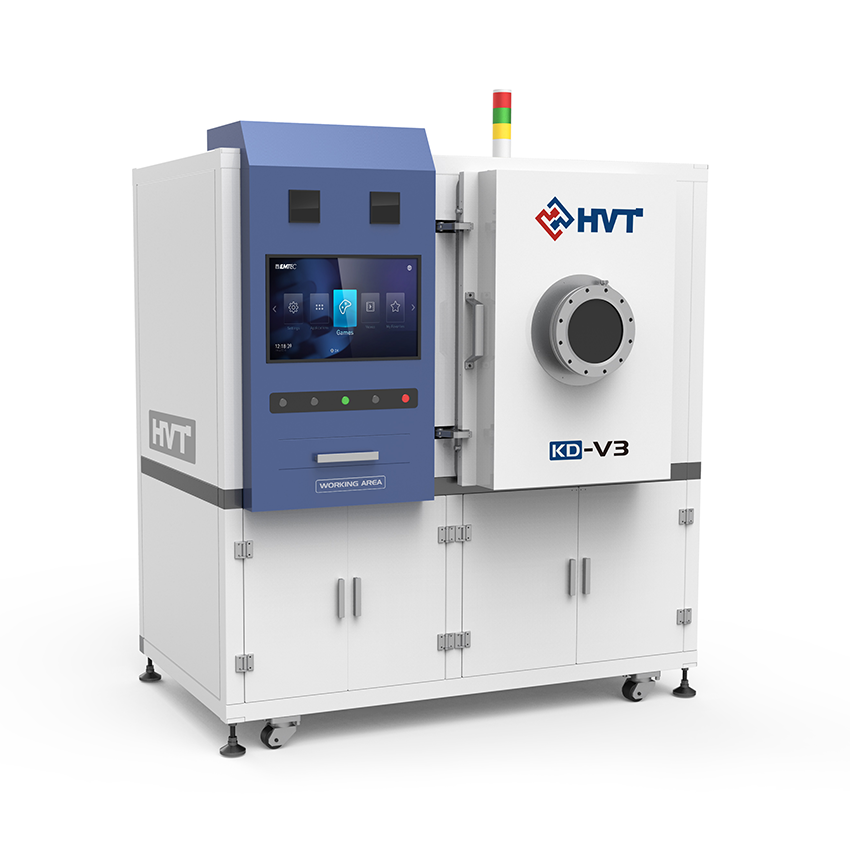
Vacuum reflow soldering is a process that is used to join two pieces of metal through the use of a vacuum and a solder material. This process has become increasingly popular in recent years due to its ability to create strong, reliable connections between metals, particularly in the electronics and aerospace industries.
The process begins by laying a thin layer of solder onto the metal that is to be joined. This is done using a machine that heats the solder and then applies it in an even layer onto the metal surface. Once the solder is in place, the two metals are placed together and held in position using a clamp or fixture.
At this point, the vacuum is applied, which removes all of the air from the inside of the chamber. The surrounding atmosphere is then heated, causing the solder to melt and flow into the joint between the two metals. Once the solder has cooled and solidified, the vacuum is released and the connection is complete.
The process begins by laying a thin layer of solder onto the metal that is to be joined. This is done using a machine that heats the solder and then applies it in an even layer onto the metal surface. Once the solder is in place, the two metals are placed together and held in position using a clamp or fixture.
At this point, the vacuum is applied, which removes all of the air from the inside of the chamber. The surrounding atmosphere is then heated, causing the solder to melt and flow into the joint between the two metals. Once the solder has cooled and solidified, the vacuum is released and the connection is complete.
Vacuum reflow soldering has a number of advantages over traditional soldering processes. For one, the use of a vacuum reduces the risk of oxidation, which can weaken the joint and make it less reliable. Additionally, the vacuum allows for the creation of stronger connections, as there is no trapped gas or air that could compromise the integrity of the solder.
Another benefit of vacuum reflow soldering is that it allows for the use of a wider variety of solder materials. Because the process occurs in a vacuum, the solder material is not subject to the same atmospheric conditions as it would be in traditional soldering, which makes it possible to use materials that might not otherwise be feasible.
In conclusion, vacuum reflow soldering is a valuable process that is becoming increasingly popular in a number of industries. Its ability to create strong, reliable connections makes it an attractive option for those looking to join metals in a variety of applications. Whether you are working in electronics, aerospace, or another field entirely, vacuum reflow soldering is a technique that is well worth exploring.
Another benefit of vacuum reflow soldering is that it allows for the use of a wider variety of solder materials. Because the process occurs in a vacuum, the solder material is not subject to the same atmospheric conditions as it would be in traditional soldering, which makes it possible to use materials that might not otherwise be feasible.
In conclusion, vacuum reflow soldering is a valuable process that is becoming increasingly popular in a number of industries. Its ability to create strong, reliable connections makes it an attractive option for those looking to join metals in a variety of applications. Whether you are working in electronics, aerospace, or another field entirely, vacuum reflow soldering is a technique that is well worth exploring.
How to Choose Vacuum Welding Oven
Vacuum soldering oven use in the filed of IGBT
Related Article

Explore laser packaging process routes for LiDAR and optoelectronics. Discover how vacuum eutectic soldering secures sub-micron alignment stability.
Laser Diode Packaging Technologies: From TO-Can to Silicon Photonics

Compare inline vs. batch vacuum soldering systems. Learn how vacuum reflow ovens optimize void-free welding for high-power semiconductor packaging.
Vacuum Soldering Process & Equipment Comparison: How to Achieve Automotive-Grade Low-Void Manufacturing

