
Understanding the Melting Temperature of Tin in Modern Applications
author: Shirley Xie
2024-10-16
The melting temperature of tin plays a critical role in various industrial processes, particularly in the fields of electronics, semiconductors, and metal joining techniques such as vacuum welding. Chengliankaida Technology Co., Ltd., a leading company specializing in vacuum welding and semiconductor device packaging, utilizes tin in many of its processes. This article will delve into the importance of tin's melting temperature, its applications, and the solutions provided by companies like Chengliankaida Technology to enhance manufacturing and production.
What is the Melting Temperature of Tin?
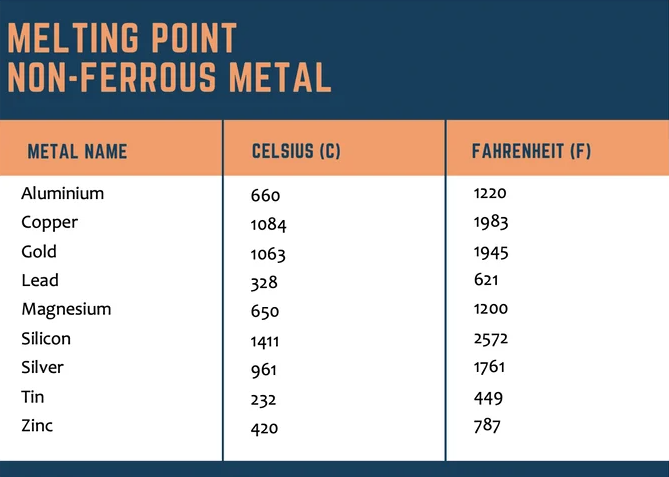
The melting temperature of tin is 231.9°C (449.42°F), a relatively low melting point compared to other metals. Tin’s low melting point makes it ideal for use in soldering and coating applications, particularly in electronics and semiconductors. Its ability to melt quickly and uniformly at low temperatures reduces thermal damage to sensitive components, making it an indispensable material in the production of circuit boards and other electronic devices.
For instance, tin-based solders are commonly used in printed circuit board (PCB) assembly because they provide excellent electrical conductivity and strong mechanical bonding. The melting temp of tin plays a significant role in ensuring that the solder bonds the components without damaging them due to excessive heat.
Importance of Tin’s Melting Temperature in Semiconductor Manufacturing
In the semiconductor industry, the melting temperature of tin is critical for packaging and assembly. Chengliankaida Technology Co., Ltd. has advanced solutions that fully leverage tin's properties in vacuum welding and semiconductor packaging.
1. Semiconductor Packaging
The semiconductor industry relies heavily on the precision of bonding materials that operate at specific temperatures. Tin is frequently used as a soldering material in semiconductor packaging due to its ability to create strong connections without the need for extremely high temperatures. By carefully controlling the melting temperature of tin, Chengliankaida Technology ensures that packages remain hermetically sealed, which is essential for protecting semiconductor devices from environmental factors such as moisture and contamination.
The semiconductor industry relies heavily on the precision of bonding materials that operate at specific temperatures. Tin is frequently used as a soldering material in semiconductor packaging due to its ability to create strong connections without the need for extremely high temperatures. By carefully controlling the melting temperature of tin, Chengliankaida Technology ensures that packages remain hermetically sealed, which is essential for protecting semiconductor devices from environmental factors such as moisture and contamination.
2. IGBT (Insulated Gate Bipolar Transistor) Technology
Tin’s melting temp is also important in IGBT modules, which are used in a wide range of power devices. In these modules, tin-based solders are used to bond semiconductor dies to substrates. The solder’s melting point is carefully controlled to ensure strong bonding without compromising the module’s integrity. Chengliankaida Technology has established research and development centers in collaboration with universities and the IGBT industry alliance to advance the use of tin in these crucial applications.
Tin’s melting temp is also important in IGBT modules, which are used in a wide range of power devices. In these modules, tin-based solders are used to bond semiconductor dies to substrates. The solder’s melting point is carefully controlled to ensure strong bonding without compromising the module’s integrity. Chengliankaida Technology has established research and development centers in collaboration with universities and the IGBT industry alliance to advance the use of tin in these crucial applications.
Vacuum Welding and the Role of Tin
In vacuum welding, precise temperature control is essential. The melting temp of tin is a key factor that influences the overall quality and reliability of welded joints. Tin-based alloys are often used in vacuum welding processes because they offer low melting points and excellent adhesion properties. Chengliankaida Technology’s vacuum welding machines are designed to optimize the performance of tin-based solders, ensuring minimal void rates and achieving high-quality hermetic packaging.
Vacuum welding with tin also has advantages in reducing the presence of impurities, which can weaken the weld and lead to product failures. The low melting temperature of tin minimizes the risk of oxidation during welding, which is critical in industries such as aerospace, automotive, and electronics where high-quality, durable welds are required.
Chengliankaida Technology’s Innovations with Tin-Based Solutions
As a leading high-tech enterprise, Chengliankaida Technology continues to push the boundaries of innovation in the field of vacuum welding and semiconductor packaging. The company has developed several cutting-edge technologies that take full advantage of the melting temperature of tin to
improve manufacturing processes.
1. Advanced Vacuum Welding Machines
Chengliankaida Technology’s vacuum welding machines are specifically designed to operate at the precise temperatures required for tin-based solders. These machines ensure that the soldering process is both efficient and reliable, reducing void rates and enhancing the overall integrity of the weld. This is particularly important in industries where even the smallest imperfections can lead to failures, such as in power devices and semiconductor packaging.
Chengliankaida Technology’s vacuum welding machines are specifically designed to operate at the precise temperatures required for tin-based solders. These machines ensure that the soldering process is both efficient and reliable, reducing void rates and enhancing the overall integrity of the weld. This is particularly important in industries where even the smallest imperfections can lead to failures, such as in power devices and semiconductor packaging.
2. Semiconductor Device Packaging Lines
The company also offers specialized production lines for semiconductor device packaging. By utilizing tin’s low melting temp, Chengliankaida ensures that components are securely bonded while maintaining their electrical properties. This technology is especially beneficial for producing hermetically sealed packages, which protect sensitive semiconductor devices from harsh environmental conditions.
The company also offers specialized production lines for semiconductor device packaging. By utilizing tin’s low melting temp, Chengliankaida ensures that components are securely bonded while maintaining their electrical properties. This technology is especially beneficial for producing hermetically sealed packages, which protect sensitive semiconductor devices from harsh environmental conditions.
3. Collaborations and Patents
Chengliankaida Technology has established partnerships with the IGBT industry alliance and leading academic institutions to develop new applications for tin in power devices and semiconductors. The company holds 10 practical patents, including several related to tin-based welding processes, and
Chengliankaida Technology has established partnerships with the IGBT industry alliance and leading academic institutions to develop new applications for tin in power devices and semiconductors. The company holds 10 practical patents, including several related to tin-based welding processes, and
has more than 15 additional patents pending. These innovations are driving the company toward becoming a globally recognized leader in advanced manufacturing equipment.
The Future of Tin-Based Technologies
The future of tin-based technologies looks promising as industries continue to demand more efficient, reliable, and cost-effective solutions. With its low melting temperature, tin remains a vital material in industries ranging from electronics to automotive manufacturing. Chengliankaida Technology’s ongoing research and development efforts are expected to lead to even greater advancements in the use of tin for vacuum welding, semiconductor packaging, and power device manufacturing.
As new applications for tin-based alloys emerge, Chengliankaida is poised to remain at the forefront of innovation, providing its clients with state-of-the-art solutions that improve productivity and product quality.
Conclusion
The melting temperature of tin is a key factor in many industrial processes, particularly in the fields of electronics, semiconductors, and vacuum welding. Chengliankaida Technology Co., Ltd. is at the forefront of utilizing tin-based solutions to enhance manufacturing processes and deliver high-quality products. With its advanced vacuum welding machines and semiconductor packaging lines, the company continues to drive innovation and improve production efficiency in industries worldwide. Tin’s unique properties and low melting temp will continue to play a crucial role in the future of advanced manufacturing.
Chengliankaida Technology Co., Ltd. was founded in 2007 and specializes in vacuum welding machines and semiconductor device packaging. The company has been at the forefront of innovation, leveraging tin-based technologies to enhance production processes and product quality.
Decoding Solder Melting Points: A Comprehensive Guide
Unlocking the Secrets of Solder Melting Points and Charts
Related Article

Explore laser packaging process routes for LiDAR and optoelectronics. Discover how vacuum eutectic soldering secures sub-micron alignment stability.
Laser Diode Packaging Technologies: From TO-Can to Silicon Photonics

Compare inline vs. batch vacuum soldering systems. Learn how vacuum reflow ovens optimize void-free welding for high-power semiconductor packaging.
Vacuum Soldering Process & Equipment Comparison: How to Achieve Automotive-Grade Low-Void Manufacturing

