
Unlocking the Secrets of Solder Melting Points and Charts
author: Shirley Xie
2024-10-15
Soldering is a fundamental process in electronics, where two or more metal components are joined together using a filler material called solder. Understanding the solder melting point and being familiar with a solder melting point chart is crucial to ensuring high-quality joints and reliable performance of electronic components. This article will explore key concepts around solder melt points, such as the specific melting point of solder, and address common questions like what is the melting point of solder?
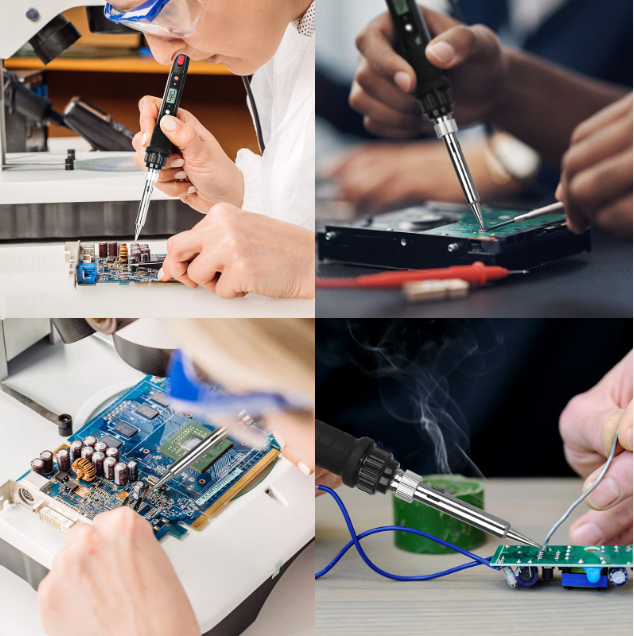
What is the Melting Point of Solder?
The melting point of solder refers to the temperature at which the solder material turns from a solid to a liquid. This is the critical temperature that determines when the solder can effectively bond with metal surfaces. There are different types of solder with varying melting points, depending on their composition. Generally, solder is an alloy, typically made of tin and lead or other metals such as silver and copper.
Lead-Based Solder
For traditional lead-based solder, which consists of an alloy of 60% tin and 40% lead, the melting point of solder is around 183°C (361°F). This type of solder has been widely used in electronics for decades due to its low melting point, ease of use, and strong bonding properties.
Lead-Free Solder
With the increased focus on environmental regulations, lead-free solder has become more common. Lead-free solder, which often includes tin combined with other metals like silver, copper, or bismuth, has a higher solder melt point compared to lead-based solder. The melting point for solder in lead-free variants typically ranges from 217°C to 227°C (423°F to 441°F), depending on the specific alloy composition.
The Importance of the Solder Melting Point Chart
A solder melting point chart is an essential tool for anyone involved in soldering, as it provides a quick reference for the specific melting point of solder used in various applications. This chart lists the different solder alloys and their corresponding melting points, enabling users to choose the right type of solder for their project.
For example, the solder melting point chart typically includes:
· Tin-Lead (Sn60Pb40): Melting point at 183°C (361°F)
· Tin-Silver-Copper (SAC305): Melting point at 217°C to 219°C (423°F to 426°F)
· Tin-Bismuth (Sn42Bi58): Melting point at 138°C (280°F)
· Tin-Silver-Copper (SAC305): Melting point at 217°C to 219°C (423°F to 426°F)
· Tin-Bismuth (Sn42Bi58): Melting point at 138°C (280°F)
By referring to a solder melt point chart, technicians and engineers can make informed decisions about the type of solder that will provide optimal results in specific conditions, such as temperature sensitivity or environmental regulations.
Factors Affecting Solder Melt Points
Several factors can affect the melting point of solder, and understanding these is important to ensure successful soldering. Below are some of the primary factors:
1. Alloy Composition
The specific metals included in the solder alloy determine its melting point. For example, adding silver to a tin-based solder increases its melting point, while bismuth lowers it. The melting point of solder can be tailored by altering the composition to suit different applications, from general electronics to high-temperature environments.
The specific metals included in the solder alloy determine its melting point. For example, adding silver to a tin-based solder increases its melting point, while bismuth lowers it. The melting point of solder can be tailored by altering the composition to suit different applications, from general electronics to high-temperature environments.
2. Flux Type
Flux is a chemical agent used in soldering to clean metal surfaces and ensure a strong bond between components. Different types of flux can affect how the solder melt point behaves, as some fluxes are designed to work at lower or higher temperatures. Choosing the right flux based on the melting point for solder is essential for a smooth soldering process.
Flux is a chemical agent used in soldering to clean metal surfaces and ensure a strong bond between components. Different types of flux can affect how the solder melt point behaves, as some fluxes are designed to work at lower or higher temperatures. Choosing the right flux based on the melting point for solder is essential for a smooth soldering process.
3. Soldering Environment
The environment in which soldering takes place, such as the presence of heat sinks or varying temperatures, can impact how quickly solder reaches its melting point. Controlling the temperature and providing a stable soldering environment ensures consistent results.
The environment in which soldering takes place, such as the presence of heat sinks or varying temperatures, can impact how quickly solder reaches its melting point. Controlling the temperature and providing a stable soldering environment ensures consistent results.
How to Choose the Right Solder Based on Melting Point
Selecting the right solder for a specific application requires understanding the melting point of solder and how it aligns with your project's requirements. Here are some guidelines for choosing the appropriate solder:
1. Consider the Operating Temperature
If the components being soldered will be exposed to high operating temperatures, it's crucial to select solder with a higher melting point. Lead-free solders, which often have a solder melt point above 217°C, are better suited for high-temperature environments.
If the components being soldered will be exposed to high operating temperatures, it's crucial to select solder with a higher melting point. Lead-free solders, which often have a solder melt point above 217°C, are better suited for high-temperature environments.
2. Compliance with Regulations
For projects subject to environmental regulations, such as RoHS (Restriction of Hazardous Substances), lead-free solder is mandatory. This type of solder, with its higher melting point for solder, requires more heat during the soldering process but is more environmentally friendly.
For projects subject to environmental regulations, such as RoHS (Restriction of Hazardous Substances), lead-free solder is mandatory. This type of solder, with its higher melting point for solder, requires more heat during the soldering process but is more environmentally friendly.
3. Component Sensitivity
Sensitive electronic components may be damaged by high temperatures during soldering. In these cases, choosing a solder with a lower melting point, such as tin-bismuth (138°C), can help reduce the risk of heat damage.
Sensitive electronic components may be damaged by high temperatures during soldering. In these cases, choosing a solder with a lower melting point, such as tin-bismuth (138°C), can help reduce the risk of heat damage.
FAQs About Solder Melting Points
What is the Melting Point of Solder?
The melting point of solder depends on its composition. Lead-based solders have a melting point of 183°C, while lead-free solders typically melt between 217°C and 227°C.
What is Solder Melting Point in Lead-Free Solder?
Lead-free solder usually melts at a solder melt point of 217°C to 227°C, depending on the alloy. These solders are widely used in compliance with environmental regulations.
What Factors Influence the Melting Point for Solder?
The primary factors that influence the melting point of solder include alloy composition, flux type, and the soldering environment.
Conclusion
In the world of electronics and semiconductor packaging, understanding the solder melting point is key to ensuring the quality and durability of solder joints. The solder melting point chart serves as an essential tool for selecting the right solder based on its composition and application requirements. Chengliankaida Technology, a leading player in vacuum welding machines for semiconductor device packaging, continues to innovate and develop technologies that enhance soldering processes. By staying informed about solder melt points, engineers and technicians can make precise choices that result in reliable and long-lasting solder joints.
Understanding the Melting Temperature of Tin in Modern Applications
Mastering Lead Melting Temperature: Crucial Strategies for Precision Soldering
Related Article

Explore laser packaging process routes for LiDAR and optoelectronics. Discover how vacuum eutectic soldering secures sub-micron alignment stability.
Laser Diode Packaging Technologies: From TO-Can to Silicon Photonics

Compare inline vs. batch vacuum soldering systems. Learn how vacuum reflow ovens optimize void-free welding for high-power semiconductor packaging.
Vacuum Soldering Process & Equipment Comparison: How to Achieve Automotive-Grade Low-Void Manufacturing

