
How to Choose Vacuum Welding Oven
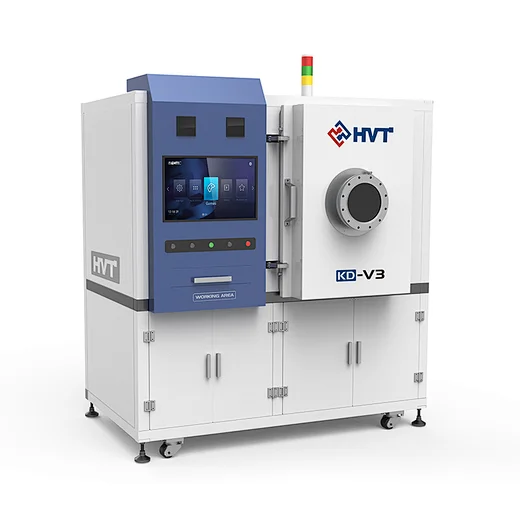
A Guide to Choosing the Perfect Vacuum Welding Oven
Introduction : Selecting the right vacuum welding oven is crucial for achieving precise and high-quality welding results. With numerous options available in the market, it can be overwhelming to find the ideal oven that meets your specific requirements. This guide aims to provide you with a comprehensive understanding of the factors to consider when choosing a vacuum welding oven. By considering aspects such as temperature control, chamber size, vacuum level, safety features, and budget, you can make an informed decision that will enhance your welding processes.
Temperature Control and Uniformity : One of the key factors to evaluate when selecting a vacuum welding oven is the temperature control mechanism. Look for an oven that offers precise temperature control within your desired range. An oven with a digital temperature controller and adjustable setpoints provides better accuracy. Additionally, consider the uniformity of temperature distribution within the oven chamber. An oven with even heat distribution ensures consistent welding results across the entire workpiece. Look for models with advanced heating elements and efficient airflow systems to achieve optimal temperature uniformity.
Chamber Size and Capacity : The size and capacity of the oven chamber are essential factors to consider based on your welding requirements. Assess the dimensions of the oven chamber and ensure it can accommodate the size of your workpieces comfortably. Additionally, consider the load capacity of the oven to ensure it can handle the weight of your workpieces. Opt for a vacuum oven that provides ample space for your welding projects without compromising on the oven's overall performance.
Vacuum Level and Pumping System : The vacuum level capability of a welding oven significantly impacts the quality and integrity of the welds. Look for an oven with a high vacuum level to ensure the removal of contaminants, such as moisture and oxygen, from the welding environment. A robust pumping system with efficient vacuum generation and maintenance is vital for achieving and maintaining the desired vacuum level. Consider the type of vacuum pump utilized by the oven, such as rotary vane or oil-free pumps, as it affects the maintenance requirements and overall performance of the oven.
Safety Features : Safety is paramount when working with a vacuum welding oven. Look for safety features that protect both the operator and the workpiece. Features like over-temperature protection, door interlocks, and emergency stop buttons ensure safe operation and prevent accidents. Additionally, consider ovens with built-in pressure relief valves to prevent excessive pressure buildup within the chamber. Proper insulation and cooling mechanisms also contribute to the overall safety and durability of the oven.
Budget and Cost Considerations : While considering various features, it is essential to assess your budget and cost constraints. Determine the features that are critical for your welding processes and prioritize them accordingly. Compare prices from different manufacturers or suppliers and evaluate the overall value offered by each option. Remember that investing in a reliable and efficient vacuum welding oven is a long-term investment that can significantly improve your welding outcomes and productivity.
Conclusion : Choosing the right vacuum welding oven requires careful consideration of temperature control, chamber size, vacuum level, safety features, and budget. By evaluating these factors, you can select an oven that meets your specific requirements and enhances the quality and efficiency of your welding processes.
How to Choose a Vacuum Reflow Oven
Vacuum solering oven application.
Related Article


